The work started long before the spotlight.
Black Lightning was not built out of one moment. It came from Khartoum roots, a Seattle upbringing, years on the wrestling mat, and a competitive mindset that kept growing until MMA became the clearest place for all of it to show up.
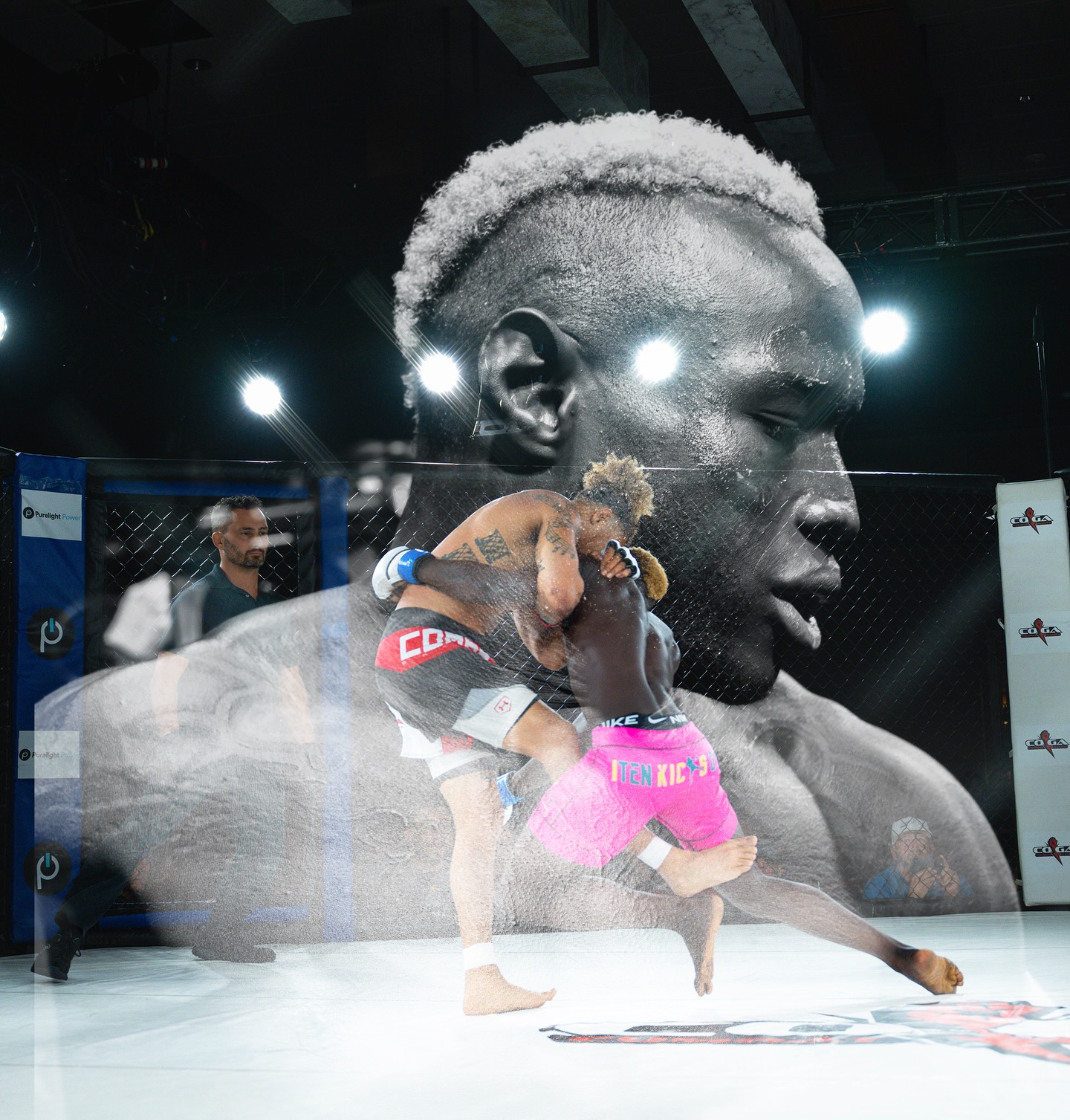
Foundation
Where the edge came from
Before the nickname, the record, or the fight-night clips, there was a foundation: family pressure, wrestling discipline, and the habit of staying composed when things get uncomfortable.
Johnson Nasona was born in Khartoum, Sudan, and moved to the United States at four years old. Seattle became the place where the routine took shape, and that routine mattered more than image from the start.
Wrestling gave the early blueprint. It taught balance, pressure, pacing, and the ability to stay calm when an exchange gets messy. Even now, when the striking is what people remember first, the wrestling base is still underneath the decisions.
MMA made sense because it gave every part of that identity somewhere to go. The amateur years built real experience. The pro chapter has been about taking those lessons, cleaning up the style, and turning the work into something sharper every time camp starts again.
Current Chapter
What this version is built on
The backstory matters, but this chapter is stronger because the work around it is stronger. Camp, business structure, and recent results now all point in the same direction.
There is a difference between having a story and having a chapter that is actually moving. The current version of Black Lightning is built on more clarity: better reads, better pacing, and the kind of camp rhythm that lets the work show up on fight night.
Seattle is not just where Johnson lives. It is where the routine holds together. 10Kicks, management, and the people around him give the career structure, so the focus stays on performance instead of noise.
The result is a fighter with more definition. The pressure still matters. The edge still matters. But now there is a clearer lane between the work, the wins, and the bigger opportunities ahead.
Identity
Who Black Lightning really is
The nickname is not decoration. It is the shorthand for the style, the urgency, and the way Johnson wants a fight to feel from the first exchange instead of waiting for moments to happen on their own.
Origin
Born in Khartoum and raised in Seattle by a single mother whose work ethic shaped the mentality behind the fighter long before there was public attention.
Mindset
The goal was never to look busy. The goal was always to become harder to deal with: better prepared, better conditioned, and better positioned under pressure.
Identity
Black Lightning is the shorthand for the speed, pressure, and urgency that people remember after the fight is over.
Timeline
Career arc
From middle school mats to professional cages. The timeline of a fighter who earned every step through discipline, setbacks, and relentless improvement.
Wrestling start
Early years on the mat created the competitive identity and discipline that later carried into MMA.
Amateur run
A 21-3 amateur stretch built the regional reputation, the confidence, and the experience needed for the pro jump.
Lessons under fire
The pro chapter brought harder matchups, visible setbacks, and the kind of lessons that force real improvement instead of surface-level confidence.
Sharpened rise
The response has been clear: better structure, sharper camp work, and three straight MMA wins pushing the next chapter forward.
Style
What shows up in the cage
Speed matters, but the style is broader than that. It is built on forcing exchanges, making opponents work at an uncomfortable pace, and using wrestling habits underneath the striking so the pressure stays responsible.
Pressure first
Johnson does not want slow rounds. He wants the other side reacting, backing up, and making decisions under stress.
Wrestling underneath
The stance, balance, and positioning still come from the wrestling background even when the striking is doing most of the talking.
Camp sharpened
Work at 10Kicks has tightened the reads, the counters, and the discipline between moments instead of only chasing highlights.
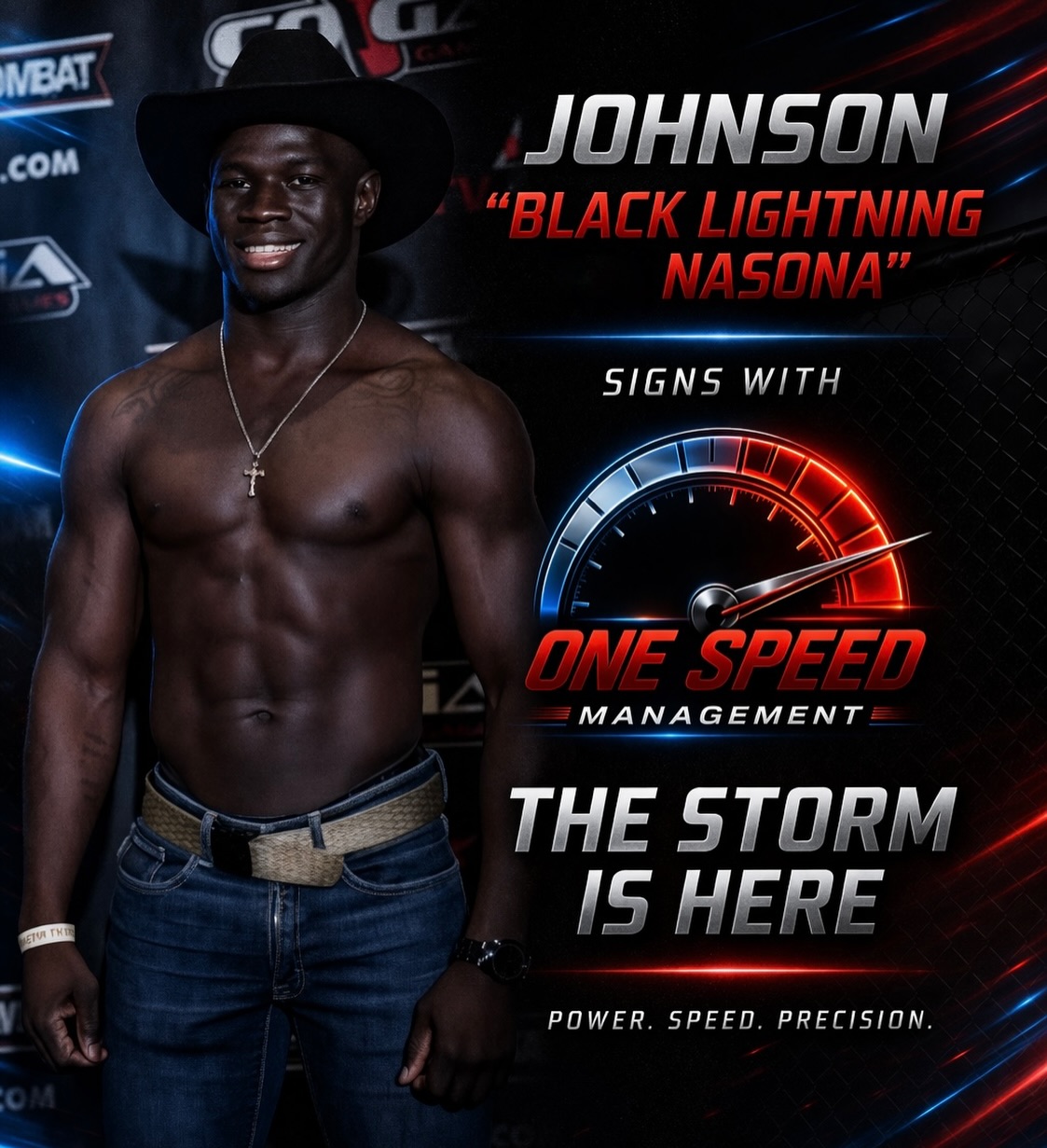
Family + Goals
Why the standard stays high
The sport gets noisy fast. Family, discipline, and clear long-term goals are what keep the work honest and stop momentum from turning into empty hype.
Raised by a single mother, Johnson grew up with a standard that had nothing to do with attention. Show up. Work. Improve. Do not wait for anything to be handed to you. That mindset carried into wrestling and it still shapes every camp now.
That family standard matters because fighting can blur priorities if the structure is weak. The goal is not to look active online or chase random moments. The goal is to build a career that keeps getting harder to deny through better performances, better decisions, and better opportunities.
Right now the target is simple: stay active, keep sharpening at 10Kicks, stack the right wins, and earn bigger stages without losing the discipline that built the base in the first place.